
Water Ingress or Site Drainage Problems? Take Action Now! If you’re dealing with water ingress or site drainage issues, you probably already know the problem isn’t going to fix itself. Like the boy who stuck his finger in the dike, the key is taking action. What you don’t need is another quote, another opinion, or […]
DIY Drainage Inspection for Sloping Sites: A Homeowner’s Checklist Dealing with water entry issues in homes on sloping sites can be tricky, but catching problems early can save you time, stress, and money. Use this step-by-step checklist to identify potential drainage issues around your property. 1. Observe Water Flow During Rain Walk around your property […]

If heavy rain is falling and the ground around your swimming pool is saturated, think carefully before significantly lowering or emptying the pool. The water inside an in-ground pool helps resist groundwater pressure acting on the outside of the pool shell. If you remove too much of that water while groundwater levels are high, the […]
Older houses move. Many older Queensland homes have been moving slightly with changes in seasons, soil moisture and weather conditions since the day they were built. That does not automatically mean there is something structurally wrong with them. The important questions are whether the movement is within the normal behaviour of that particular building, whether […]
Categories
Efflorescence
Efflorescence. What is it? How does it affect your building? Is it bad and what do you need to do about it? I’m Matt Cornell from Cornell Engineers. Let’s have a chat about efflorescence and what it means for your building. Efflorescence is that salty substance that appears on walls and slabs and sometimes even […]
Foundation Engineering / Technical Guide Screw piers can provide effective foundation support, but their connections, lateral restraint and interaction with reactive soils matter just as much as their vertical capacity. Structural engineer Matthew Cornell explains how screw piers work, where problems arise and what engineers should consider when investigating existing house foundations. What Are Screw […]
You might be tempted to engage a structural engineer if you are selling your cracked house to write a report to explain that those cracks are only superficial cracks. After all, the cracks have been there forever and you never worried about them. You might just be wasting your money.! Join Matt Cornell to find […]
Video Subtitles I was asked the other day what’s my number one piece of advice for someone who is having a house being built right now and my answer would be to take lots of photos all the way through construction even if you don’t know what you’re taking photos of. Now, why is that? If something goes wrong […]
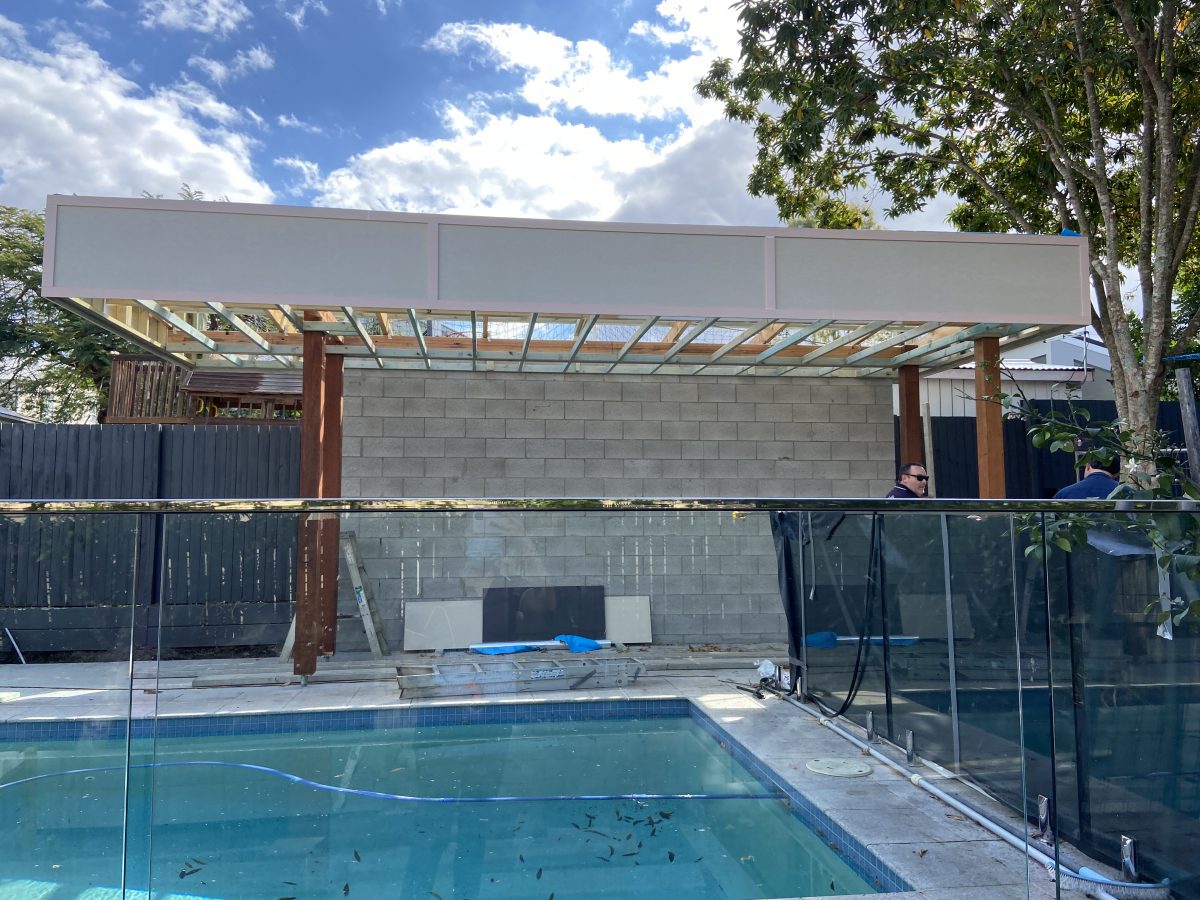
We just signed the Form 16 inspection certificate for our pool pergola project at Morningside. Check out our video tour, project team and construction photos.

So Urban Utilities has finally come to the game and provided an online GIS (that stands for graphical information system) so that we humble mortals may identify the depth and diameter of their precious underground infrastructure (ie pipes).
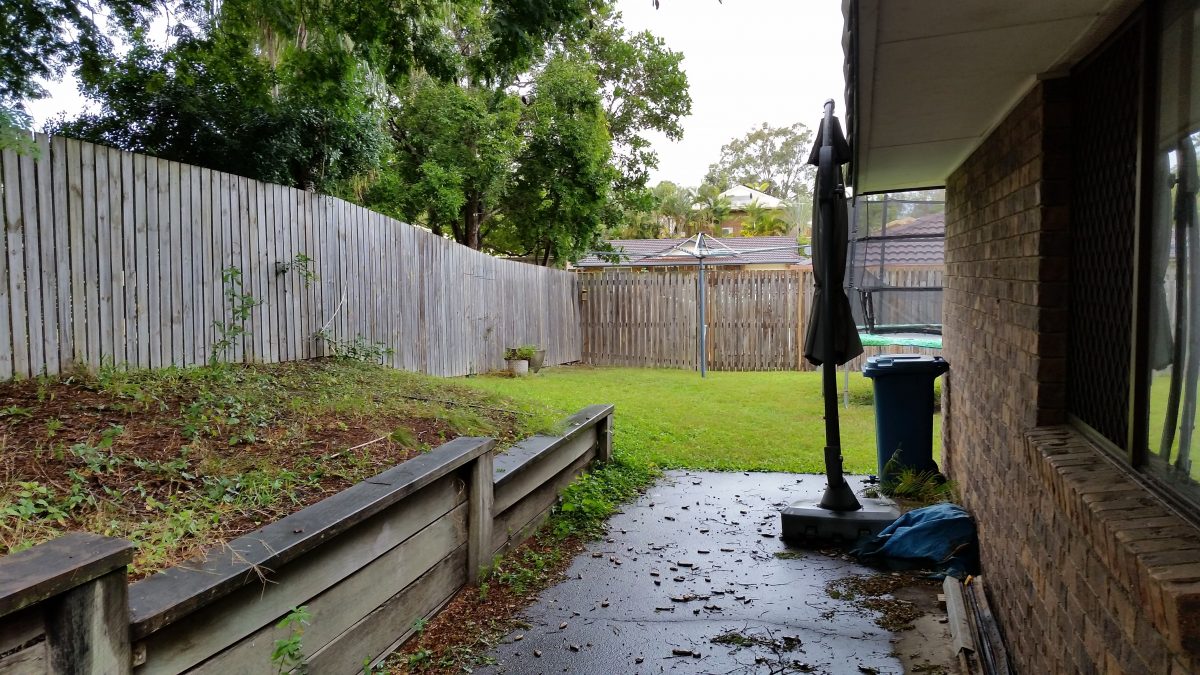
If water is getting into your basement, through your retaining wall or pooling around your house on a sloping block — this page and the video above are for you. We’ve been solving drainage problems around houses on sloping sites for over twenty years. The good news is that most drainage problems follow predictable patterns, […]

If something does not look right in a new or recently constructed home, the important question is not simply whether there is a defect. It is why it has occurred, whether it matters and what needs to be done about it. Cornell Engineers provides independent structural engineering investigations and advice for new and recently constructed […]

A spoon drain is a shallow, dish-shaped drain formed at ground level to collect surface water and carry it away before it can soak into the ground. Around houses it is usually concrete, though a spoon drain can also be shaped into the natural ground. Spoon drains are one of the simplest and most reliable […]
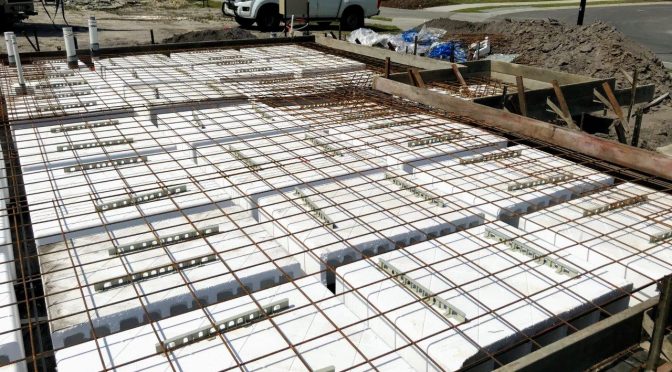
Are waffle slabs able to satisfactorily protect Australian homes from slab heave and foundation movement? This question is for you, structural engineers and geotechnical engineers and foundation specialists of Australia. If you are applying AS2870 to waffle slab designs please comment below. We want to hear from you.

Here’s a list of things that make houses move and crack. How many of these can you identify in your house: