When a Building Problem Needs More Than a Guess
When a building cracks, moves, leaks, deteriorates or is damaged, the visible problem is only the starting point.
The important questions are:
- What has happened?
- What does the available evidence indicate caused it?
- How significant is it?
- What should happen next?
Cornell Engineers undertakes forensic structural engineering investigations and reports for property owners, builders, insurers, loss adjusters, claims managers, solicitors, bodies corporate and commercial clients.
We inspect the building, review the available records, assess plausible causes and provide clear written engineering advice. Our purpose is not to produce a report that supports a predetermined position. It is to explain what the evidence supports, what remains uncertain and what should be done next.
Cornell Engineers has two Registered Professional Engineers of Queensland: director Matt Cornell, RPEQ No. 06598, and Sayla Williams, RPEQ structural engineer. Each matter is allocated according to its scope and complexity, and the responsible RPEQ retains control of the engineering judgement, conclusions and approval of the issued deliverable.
What Is Forensic Structural Engineering?
Structural design generally begins with a proposed structure and asks, “What should be built?”
Forensic structural engineering begins with an existing building, event or problem and asks, “What happened, why did it happen and what does the evidence allow us to conclude?”
The investigation may involve site observations, measurements, photographs, drawings, previous reports, repair records, construction documents, weather or event information, correspondence and the sequence in which damage became apparent.
Not every investigation produces one simple cause. Buildings can be affected by several interacting factors. A careful forensic opinion distinguishes between evidence, assumptions and possibilities rather than overstating certainty.
Problems We Investigate
Cracking, Settlement and Building Movement
Cracks in brickwork, masonry, plasterboard or concrete may be associated with footing movement, changing soil moisture, drainage, leaking services, tree influence, deteriorated stumps, inadequate previous alterations, construction defects or normal material movement.
We consider the crack pattern, width and location together with floor levels, site conditions, building construction, available history and other relevant evidence. The aim is to determine the likely cause or causes, assess the significance of the movement and recommend an appropriate response.
Storm, Fire, Flood, Impact and Water Damage
Following a reported event, the engineering question is often whether the observed damage is consistent with that event and how it can be distinguished from pre-existing movement, deterioration, maintenance issues or construction defects.
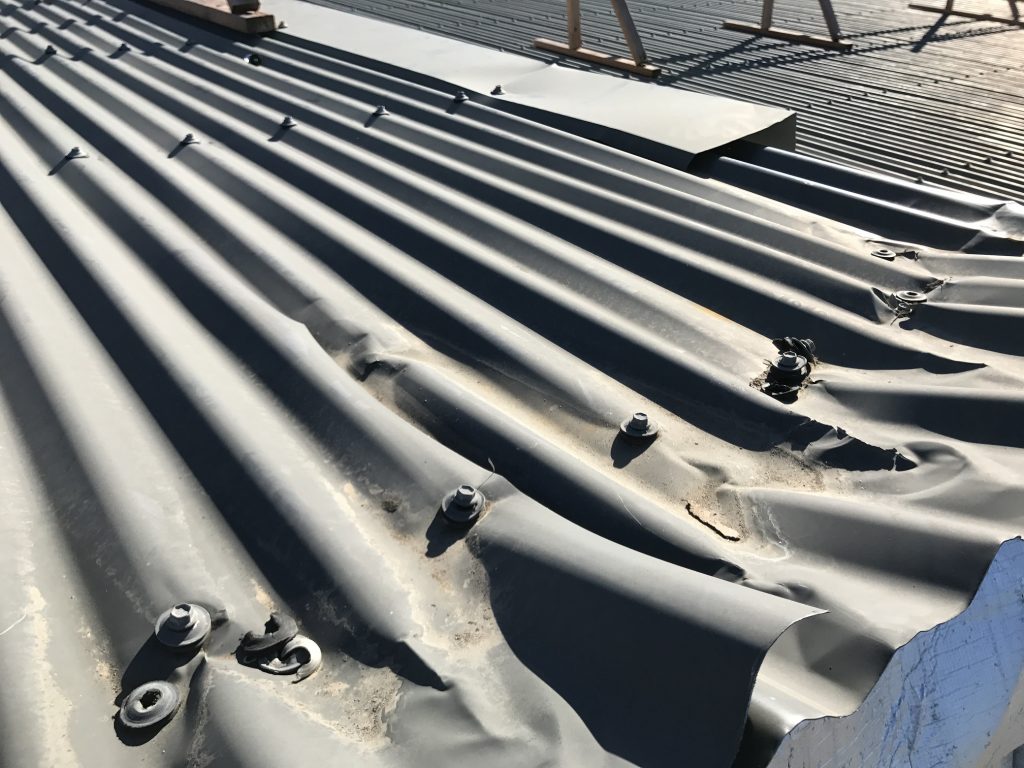
We investigate matters involving storm and wind damage, roof damage, impact, fire, flood, escaping water, retaining-wall movement and other event-related structural concerns.
Defective, Incomplete or Altered Building Work
We can assess visible structural defects, incomplete work, unexpected conditions exposed during renovation, deteriorated structural members and alterations that may have changed the original load path.
Where compliance is part of the question, the scope must identify the relevant work, documents, applicable requirements and intended use of the opinion. A limited visual inspection is not automatically a complete audit of the building or every element of construction.

Drainage and Moisture-Related Building Problems
Water beneath or around a building can contribute to footing movement, damp subfloors, fretting masonry, timber deterioration, retaining-wall problems and water entry into lower rooms.
We consider visible flow paths, site falls, ground levels, roofwater discharge, surface drainage and the way moisture may be interacting with the building. Where appropriate, a separate drainage advice scope may include a marked-up site plan, photographs, recommendations and practical details.
That work is not a full civil or hydraulic drainage design unless expressly included in our fee proposal.
Retaining Walls and External Structures
Leaning, cracking, rotation, displaced joints, water pressure, corrosion, deterioration and inadequate drainage may affect retaining walls and other external structures. We assess the visible condition, the likely movement mechanism and whether monitoring, further investigation, temporary action, repair or replacement should be considered.
Review of Previous Reports and Proposed Repairs
A client may already have an engineering, building or insurance report but remain uncertain whether it answers the right question or whether the proposed repair addresses the cause of the problem.
We can review the reasoning, observations and conclusions and advise whether further information or an independent site inspection is required. A second opinion is not an instruction to disagree. If the earlier opinion is technically sound, we will say so.
Who We Assist
- Homeowners and property investors dealing with cracking, movement, water entry, deterioration or uncertainty about a proposed repair.
- Insurers, loss adjusters and claims managers who require clear observations and an evidence-based causation opinion.
- Builders and building designers responding to a defect allegation, unexpected site condition or existing-building problem.
- Solicitors and dispute parties who need an independent technical review or a report prepared for a formal process.
- Bodies corporate and strata managers responsible for common-property damage, movement, deterioration or repair decisions.
- Commercial and institutional clients managing damage, deterioration or structural performance concerns in existing buildings.
Our reports are technical documents, but they are written in plain English wherever possible so that clients, builders, insurers, lawyers and other consultants can understand the reasoning and act on the recommendations.
What We May Inspect and Review
The investigation is tailored to the agreed question. It may include:
- cracking in masonry, plasterboard, concrete and structural elements;
- visible movement of footings, slabs, stumps, piers, frames or retaining walls;
- roof framing, trusses, rafters, tie-downs and storm-damaged elements;
- site falls, drainage paths, water entry and subfloor moisture;
- fire, flood, impact, storm or escaping-water damage;
- visible defects, deterioration or incomplete structural work;
- previous repairs and whether they appear to address the underlying problem;
- architectural and structural drawings, soil tests, certificates and construction records;
- previous engineering, building and insurance reports; and
- relevant photographs, correspondence, event information and repair scopes.
Most initial inspections are visual and non-invasive unless a different scope is agreed in writing. We do not assume that concealed construction is satisfactory or defective when it has not been exposed or otherwise verified.
Our Forensic Engineering Process
1. Enquiry and Initial Information
You send the property address, photographs, a concise description of the problem and any relevant reports, drawings or correspondence. If the matter involves an insurance claim, dispute, QCAT, court or a fixed deadline, tell us at the beginning.
2. Fit, Scope and Fee Proposal
We review the information and decide whether the matter suits our experience and capacity. Where we can assist, we prepare a formal fee proposal identifying the question, inspection, deliverable, assumptions and exclusions.
Submitting an enquiry does not mean Cornell Engineers has accepted or opened the job. The engagement begins only after the formal proposal has been issued and accepted.
3. Document Review and Site Inspection
The engineer reviews the available records and inspects the relevant accessible areas. Depending on the scope, we may take photographs and measurements, check floor levels, inspect roof or subfloor spaces where safe and accessible, and consider nearby trees, slopes, drainage paths, retaining walls and stormwater outlets.
4. Analysis
We assess the observations against the building construction, structural behaviour, site conditions, available history and plausible causes. We distinguish confirmed observations from assumptions and identify where the evidence is insufficient for a firm conclusion.
5. Written Engineering Report
The report addresses the agreed brief and may set out the documents reviewed, inspection limitations, observations, assessment, conclusions, structural significance and recommended next steps.
The responsible RPEQ controls and approves the engineering opinion. The length and level of detail depend on the purpose of the report: a focused property investigation is different from an insurance causation report or formal expert report.
6. Further Questions or Additional Work
We can answer reasonable questions about the issued findings within the agreed engagement. New documents, changed conditions, expanded questions, repair design, responses to another expert or a supplementary report may require a separate scope and fee proposal.
What a Forensic Report Can—and Cannot—Do
A properly scoped forensic report can:
- record relevant visible damage and site conditions;
- assess the most likely cause or contributing causes where the evidence permits;
- comment on structural significance within the agreed scope;
- identify gaps in the available evidence;
- recommend monitoring, testing, specialist input, repair or further design; and
- provide a documented engineering basis for the next decision.
A standard forensic inspection does not automatically include:
- removal of linings or destructive investigation;
- excavation of footings or exposure of reinforcement;
- plumbing or service testing;
- a geotechnical investigation;
- a complete compliance audit of the building;
- full repair or structural design;
- certification of completed repair work;
- a builder’s quotation or quantity survey; or
- a guarantee that no concealed defect exists.
If additional testing or another specialist is required, we will identify the appropriate next step. This may include a plumber, builder, roofer, geotechnical engineer, surveyor, certifier, building consultant or quantity surveyor.
Forensic Reports and Formal Expert Evidence Are Not the Same Thing
A forensic report may be prepared to help an owner, builder or insurer understand a building problem. A report intended for QCAT, court, mediation or another formal dispute process has additional requirements and must be scoped for that purpose from the beginning.
Expert work may require specific instructions, review of a larger document set, compliance with expert-witness obligations, conferences, responses to other experts and attendance at a hearing.
Independence Matters
The value of a forensic engineering opinion depends on its independence.
Cornell Engineers does not accept an instruction to support a predetermined conclusion. We consider the available evidence and explain the opinion it supports, including when the evidence is incomplete, several factors may have contributed or the findings do not fully support the position of the party who engaged us.
You can verify an engineer’s Queensland registration through the BPEQ public register.
Frequently Asked Questions
Do I need a forensic structural engineer or a building inspector?
A building and pest inspector is usually the appropriate professional for a general pre-purchase or whole-building condition inspection. A forensic structural engineer is more appropriate when there is a defined structural concern, damage, cracking, movement, suspected causation issue, disputed defect or need for an engineering opinion.
Can you determine the exact cause of every crack?
Not always. The available evidence may support one most likely cause, several contributing causes or a range of possibilities requiring further investigation or monitoring. We explain the strength and limitations of the evidence rather than claiming certainty that is not justified.
Can you help with an insurance claim?
Yes, for suitable matters. We prepare independent structural engineering reports addressing damage and causation following storms, fire, flood, impact, escaping water and other reported events. Tell us whether the instruction is from the insurer, claims manager, insured owner or another party.
Can you help with a builder or construction dispute?
We can assess defined structural defects, damage or disputed engineering issues. Tell us whether proceedings have commenced, whether another expert has reported and what question the engineering opinion must answer.
Can you review another engineer’s report?
Yes. We can review whether the observations, reasoning and conclusions appear technically supported. A desktop review may be sufficient in some matters; in others, an independent site inspection or further evidence is required.
Will the report include repair drawings?
Not unless repair or rectification design is expressly included. The forensic investigation normally identifies the problem and recommended next step. Detailed design can then be scoped separately so that it responds to the findings.
How much does a forensic engineering report cost?
The fee depends on the location, complexity, inspection requirements, number of documents, required analysis and intended use of the report. A focused building investigation is different from an insurance causation report or expert matter involving extensive records and formal deadlines.
Do you work outside Brisbane?
Cornell Engineers is based in Hendra, Brisbane. For suitable forensic, insurance, damage and expert matters, we can consider work across Queensland and selected New South Wales locations. Registration requirements, travel, access, programme and the required deliverable are considered before we confirm the engagement.
What to Send with Your Enquiry
Please provide:
- the property or site address;
- your role and the party requesting the report;
- a concise description of what happened and when;
- photographs of the relevant damage or concern;
- previous engineering, building or insurance reports;
- available architectural and structural drawings, soil tests or certificates;
- relevant builder, insurer, solicitor or certifier correspondence;
- the particular question or decision the engineering advice must support; and
- any insurance, QCAT, court or other deadline.
The better the initial information, the more accurately we can decide whether the matter fits our practice and prepare an appropriate scope and fee proposal.
Request a Forensic Structural Engineering Quote
If your building is cracking, moving, deteriorating, affected by a reported event or involved in an insurance or construction dispute, send us the available information.
We will review the enquiry and advise whether a forensic structural engineering investigation is the appropriate next step.