
If you’re building a sleeper retaining wall, you’ve probably been told you need an ag pipe and drainage system behind it. But here’s the truth: sleeper walls are already free-draining—water comes straight through the gaps between the sleepers! So, do you really need all that extra drainage work? Let’s break it down. How Water Moves […]
Category: Drainage & Building Movement
Water and ground conditions can have a significant influence on building movement. These articles explain how drainage, leaking pipes, reactive soils, footings and foundations can contribute to structural cracking and movement. We examine investigation methods, possible causes and repair considerations for existing buildings.
Fighting leaf litter at your home when it rains? Do your grated drains block up with leaves and grass clippings? Does water overflow everywhere leaving you running in the rain to unclog drains? Take a hint. It doesn’t have to be a galvanised steel grate cover like this one, but a fabricated basket over your […]
Older slab-on-ground houses can experience seasonal movement due to soil reactivity and the absence of modern footing designs. Before the adoption/introduction of AS2870, foundation designs often relied on minimal soil preparation and basic reinforcement. While these methods served their purpose at the time, they often fall short of withstanding the effects of ground movement that […]
When designing site drainage, do you even need an ag pipe? Big hint: Water flows through gravel without an ag pipe. Here’s the order of the universe: Gravel – Highly porous with large particle sizes that allow water and air to pass through easily. Coarse Sand – Very porous, with relatively large particles and low […]
Water Ingress or Site Drainage Problems? Take Action Now! If you’re dealing with water ingress or site drainage issues, you probably already know the problem isn’t going to fix itself. Like the boy who stuck his finger in the dike, the key is taking action. What you don’t need is another quote, another opinion, or […]
DIY Drainage Inspection for Sloping Sites: A Homeowner’s Checklist Dealing with water entry issues in homes on sloping sites can be tricky, but catching problems early can save you time, stress, and money. Use this step-by-step checklist to identify potential drainage issues around your property. 1. Observe Water Flow During Rain Walk around your property […]
Older houses move. Many older Queensland homes have been moving slightly with changes in seasons, soil moisture and weather conditions since the day they were built. That does not automatically mean there is something structurally wrong with them. The important questions are whether the movement is within the normal behaviour of that particular building, whether […]
Categories
Efflorescence
Efflorescence. What is it? How does it affect your building? Is it bad and what do you need to do about it? I’m Matt Cornell from Cornell Engineers. Let’s have a chat about efflorescence and what it means for your building. Efflorescence is that salty substance that appears on walls and slabs and sometimes even […]

So Urban Utilities has finally come to the game and provided an online GIS (that stands for graphical information system) so that we humble mortals may identify the depth and diameter of their precious underground infrastructure (ie pipes).
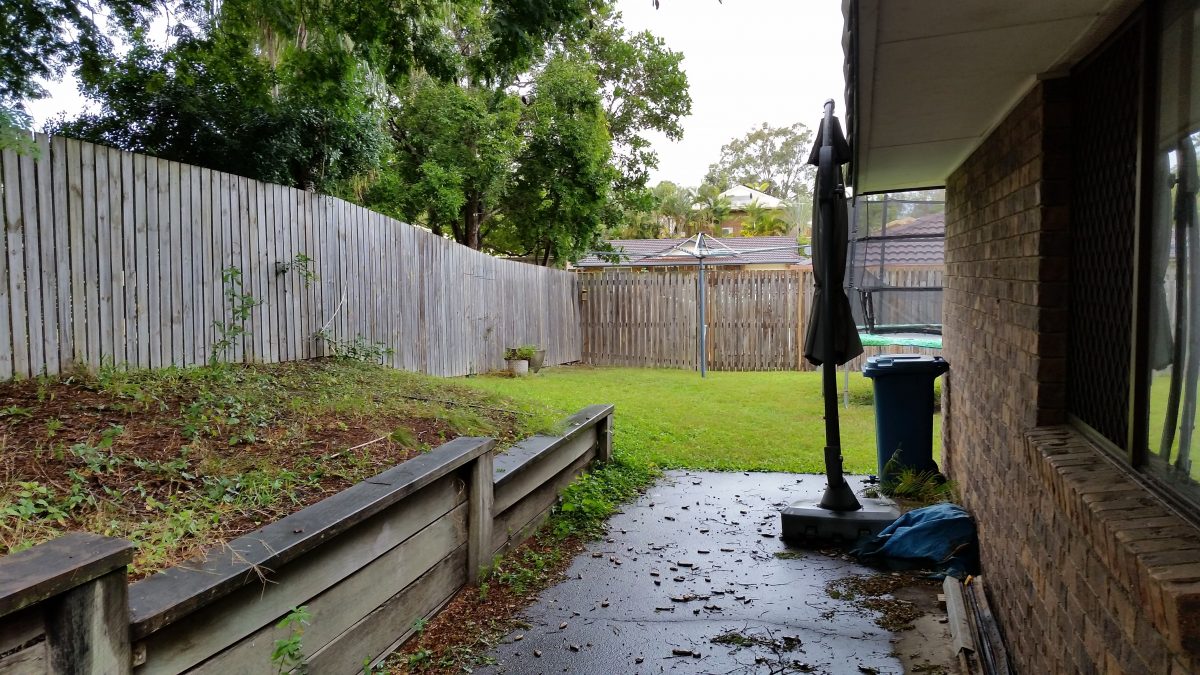
If water is getting into your basement, through your retaining wall or pooling around your house on a sloping block — this page and the video above are for you. We’ve been solving drainage problems around houses on sloping sites for over twenty years. The good news is that most drainage problems follow predictable patterns, […]

A spoon drain is a shallow, dish-shaped drain formed at ground level to collect surface water and carry it away before it can soak into the ground. Around houses it is usually concrete, though a spoon drain can also be shaped into the natural ground. Spoon drains are one of the simplest and most reliable […]
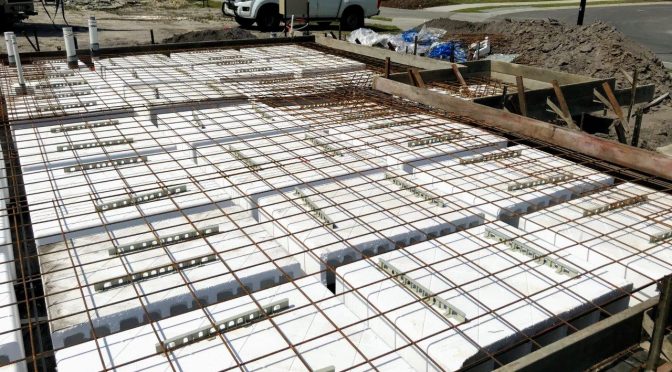
Are waffle slabs able to satisfactorily protect Australian homes from slab heave and foundation movement? This question is for you, structural engineers and geotechnical engineers and foundation specialists of Australia. If you are applying AS2870 to waffle slab designs please comment below. We want to hear from you.

Here’s a list of things that make houses move and crack. How many of these can you identify in your house:
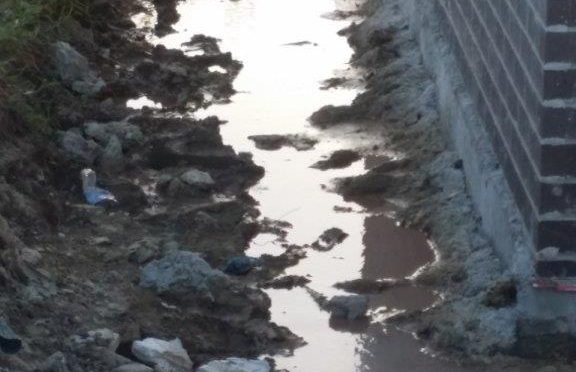
Water around a waffle pod slab on a reactive clay site is a problem, and it’s not an easy fix once the house is finished. That’s why AS 2870, the Australian Standard for residential slabs and footings, requires surface drainage on a building site to be controlled from the start of site preparation to the […]

An agricultural drain, usually called an ag drain, agi pipe, ag line or French drain, is a slotted pipe laid in a gravel-filled trench to collect water from the ground and carry it away. Installed well, it protects a house. Installed badly, it can do the opposite: feed water into the ground beside the footings […]