If something does not look right in a new or recently constructed home, the important question is not simply whether there is a defect. It is why it has occurred, whether it matters and what needs to be done about it.
Cornell Engineers provides independent structural engineering investigations and advice for new and recently constructed homes where there are concerns about cracking, movement, structural damage, construction defects or the adequacy of structural work.
We are particularly suited to problems where the answer is not obvious, different parties have different opinions, previous attempts have not resolved the issue or significant rectification work is being considered.
Tell us about your building problem.
When Might You Need a Structural Engineer for a New Home?
Most new houses do not need a second structural engineer. The structural engineer responsible for the original design will normally remain the appropriate first point of contact for straightforward design or construction questions.
An independent structural engineer can become useful when there is a significant problem or uncertainty about what has occurred.
- cracking has appeared in brickwork, blockwork, plasterboard or concrete;
- floors, walls or other parts of the building appear to have moved;
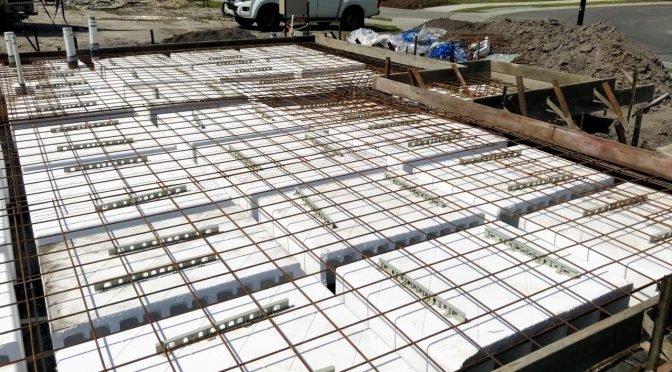
- there are concerns about footing or slab performance;
- structural framing does not appear to match the drawings;
- tie-down, bracing or structural connections are in question;
- unexpected structural conditions have been uncovered during construction;
- water or drainage problems may be affecting the building;
- significant defects have been identified and the appropriate repair is uncertain;
- a proposed repair needs independent engineering consideration;
- previous repairs have not solved the problem;
- the builder, owner, designer, insurer or another party has a different view about the cause of the problem; or
- an independent engineering opinion is required for an insurance or legal matter.
What Does an Independent Structural Engineer Investigate?
A useful investigation goes beyond identifying the visible defect.
For example, a crack in a wall may be associated with footing movement, shrinkage, inadequate articulation, structural loading, poor construction, moisture changes in the ground or a combination of factors.
The crack itself is evidence. It is not necessarily the cause.
Our job is to consider the available evidence and work towards answering the questions that matter:
- What has happened?
- Why has it happened?
- Is the building structurally adequate?
- Is the problem ongoing?
- Does anything need to be repaired?
- What is a practical way to rectify it?
Structural Cracking and Movement in New Homes
Cracking in a relatively new building understandably attracts attention, but not all cracking has the same significance.
An investigation may consider the crack pattern and width, the type of construction, footing system, site conditions, floor levels, drainage, surrounding ground conditions, trees and vegetation, construction records and the history of the movement.
Where appropriate, measurements can be compared with the structural drawings, soil information and relevant construction details.
The objective is not simply to label the cracking. It is to develop a reasonable engineering explanation for what has occurred and determine whether action is required.
Footing and Slab Problems
Footings and slabs interact with the ground supporting them. Problems can therefore involve both the structure and the site conditions around it.
Depending on the circumstances, relevant information can include:
- the original footing and slab drawings;
- the geotechnical or soil report;
- site classification;
- construction records;
- floor-level measurements;
- site drainage and stormwater;
- retaining walls and changes in ground level;
- trees and vegetation;
- plumbing or water leaks; and
- the location and pattern of building movement.
Where the available evidence is insufficient, additional investigation may be required before a reliable conclusion can be reached.
Framing, Bracing and Tie-Down Concerns
Problems in a new home are not limited to footings and slabs.
We may also be asked to investigate timber or steel framing, beams and lintels, bracing, roof framing, structural connections and tie-down.
These matters can arise when construction differs from the engineering drawings, structural elements have been altered, required connections appear to be missing or a problem is discovered after parts of the building have already been completed.
The appropriate solution depends on how the building was intended to work, what has actually been constructed and whether the load path remains adequate.
Water and Drainage Can Be Part of the Structural Problem
Some apparent structural problems cannot be properly understood by looking at the structure alone.
Stormwater, surface drainage, retaining walls, landscaping, plumbing leaks and changing moisture conditions around a building can all influence the performance of footings and surrounding ground.
Cornell Engineers regularly investigates problems where structural movement and water or drainage conditions interact.
This can be particularly important when repairing the visible damage alone would leave the underlying cause unresolved.
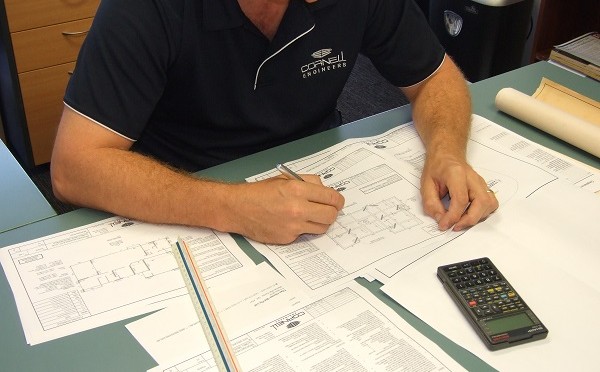
When the Building Does Not Match the Structural Drawings
Structural drawings provide important evidence during an investigation of a new building.
They can show the intended footing system, slab construction, beams, framing, bracing, tie-down and structural connections.
Where accessible, the constructed building can be compared with the documented design. A difference does not automatically mean that the building is unsafe, but significant discrepancies may need to be assessed to determine whether the completed structure remains adequate.
What If the Builder and Engineer Disagree?
Building problems sometimes become difficult because several parties are involved and each has a different explanation for what has occurred.
The homeowner may believe there is a structural defect. The builder may consider the issue cosmetic. The original engineer may consider the construction adequate. A building consultant, insurer or another engineer may have a different opinion again.
In those circumstances, an independent investigation can help separate the technical questions from the disagreement between the parties.
Our role is to inspect the available evidence, apply engineering judgement and explain our conclusions and reasoning clearly.
Repairing the Cause, Not Just the Damage
A repair should address the actual problem.
Repairing cracked finishes, replacing damaged materials or strengthening part of a structure may achieve very little if the mechanism that caused the damage is still active.
Where rectification is required, Cornell Engineers aims to develop practical recommendations based on the cause of the problem, the existing construction and how the repair can realistically be carried out.
What Information Helps Us Investigate a New Home Problem?
If you contact us about a new or recently constructed home, useful information includes:
- the property address;
- a brief description of the problem;
- photographs of the affected areas;
- architectural drawings;
- structural engineering drawings;
- the soil or geotechnical report;
- relevant inspection reports and certificates;
- photographs taken during construction;
- details of previous repairs;
- reports prepared by other consultants; and
- relevant correspondence between the parties.
You do not need to have every document before contacting us. The information simply helps us understand the problem and determine what may need to be investigated.
Does Cornell Engineers Design New Houses?
Routine structural design for standard new houses is no longer a focus of Cornell Engineers.
If you need an engineer to prepare footing, slab, framing and bracing drawings for a straightforward new home, a structural engineer specialising in residential design will generally be a better fit.
We may become involved where a new or proposed home presents unusual structural challenges requiring more detailed engineering judgement, but we are deliberately selective about this work.
Our principal interest is in difficult building problems: investigating what has happened, understanding why it has happened and developing a practical way forward.
Independent Engineering Advice for Complex Building Problems
Cornell Engineers is based in Brisbane and undertakes investigations throughout Queensland.
For sufficiently complex or consequential matters where our experience can make a worthwhile difference, we can also undertake investigations elsewhere in Australia.
If the problem involves significant structural damage, unusual movement, construction defects, an insurance matter, a dispute or a repair that requires careful engineering consideration, send us the available information and we will determine whether the matter is a good fit for our practice.
Have a Problem With a New or Recently Built Home?
Send us the property address, a description of what has happened, photographs and any relevant drawings or reports.
We will review the information and determine whether Cornell Engineers is the right engineering consultancy for the problem.