Categories
Home Maintenance and Repairs

Can a Violent Impact from a Car cause Cracks to form in a House Years Later

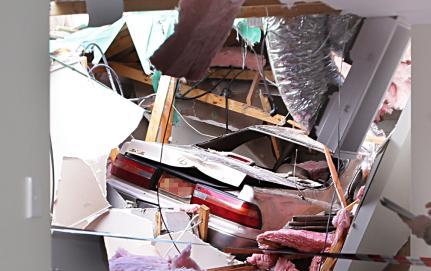
Cornell Engineers was asked to quote a job recently where a car collided with a house. The damage had already been repaired but the owner started noticing:

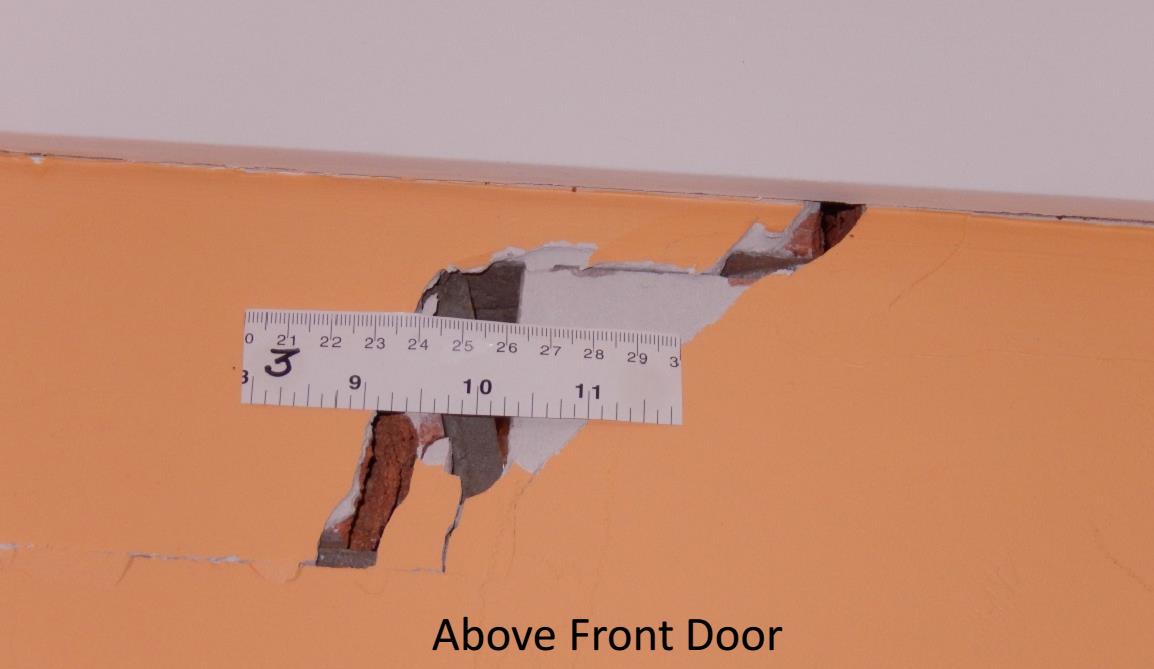
  • cracking in walls, cornices and door trims;
  • popping of nails in walls;
  • jamming and misaligned doors;
  • cracking and crumbling of mortar in brick work.

These issues sound a lot like slab heave to me.

Categories
Footings and Slabs Home Maintenance and Repairs

Slab Heave Explainer Video

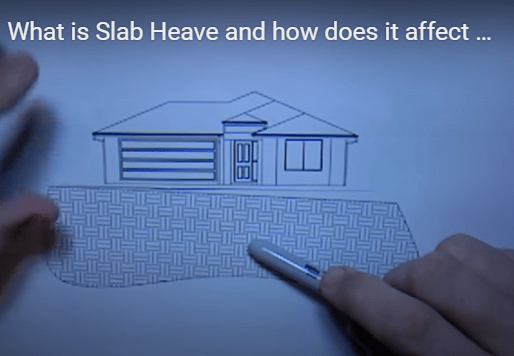
What is slab heave and how does it affect houses?

Hi. I’m structural engineer Matt Cornell and this is my explainer video on slab heave.

Categories
Home Maintenance and Repairs Waffle Pod Slabs

Slab Heave Hits Melbourne – and now Sydney

Slab Heave in Melbourne

A recent article by Simon Yohanson in The Age, Melbourne has highlighted the ongoing problem faced by homeowners as slab heave hits Melbourne.

“Thousands of suburban homeowners facing financial ruin.

Categories
Home Maintenance and Repairs Home Renovation

5 Home Renovation Products from Sika

Renovating or building? These are my favourite five Sika construction chemicals that you’ll need for your next home renovation.

Contact Details for Sika

Fresh update! This page features our favourite Sika products; but the best way to get hold of a Sika product is to contact Sika directly. Check out this link:

http://aus.sika.com/en/system/contact.html

Sika MonoTop-Primer

If you’re patching cracked or broken concrete, Sika MonoTop Primer is what you apply to the old concrete first to make sure the new concrete sticks. Brush, roller or spray on – it’s easy to apply and will improve the bond between old and new concrete.

Get Sika MonoTop Primer from Bunnings

Sikaflex-Pro

Multi-purpose flexible joint sealant for use inside and out. Seal the gap in brick control joints, around windows and doors and wall and floor penetrations.

This stuff sticks to concrete, brick, tiles, moist metal and most timber.

My favourite use for Sikaflex-Pro is to seal the  gap between concrete paths and brickwork walls to prevent water running into the ground adjacent to house footings. It’s great because, when installed correctly, the sealant flexes open and closed without tearing.

Get Sikaflex-Pro from Bunnings

SikaTite-BE

If you’re building a retaining wall or a basement then you need to make sure water won’t come through your wall. SikaTite-BE is a water based bitumen  emulsion that can be applied on the soil side of the wall. Spray, roller or brush on.

When I specify a bitumen based waterproofing membrane – this is the black stuff I’m thinking of. I also like to specify it as a treatment for DuraGal galvanised steel to stop it rusting where it is in contact with concrete.

Contact Sika directly.

Sikasil C AP

A range of coloured silicone sealants to match the colours of your kitchens and bathrooms. These arty-farty colours will blend in nicely with the look you’ve got going.

Seal the gap behind the new kitchen bench and along the side of your new bathroom vanity. So much more in sync with the vibe than sticking to white, colours like Taupe, Ivory, Pewter and Stone! Pretty fancy and jut perfect for your renovation.

Grab it at Bunnings

SikaBond-SprayFix

Wanna get stuck? DIY renovators that want to stick something to something else – or itself – will love this stuff. Handy aerosol adhesive for multipurpose sticking.

Please don’t use it to fix plasterboard to a wall or to glue coins to the footpath – it’s more suitable for art and craft, repairs, and making stuff. Those TV renovators probably use tonnes of this stuff.

Get Stuck at Bunnings

Conclusion

Cornell Engineers are structural engineers in Brisbane and Mackay.  We work with and specify construction chemicals regularly and these were our favourite 5 products form Sika.

When working with construction chemicals, please read and follow the instructions. That’s why we provide links to the Product Data Sheets – please use them.

Thanks for checking out our page on Sika Construction Products. Let us know your favourite products if you get a chance!!

PS. and thank you Sika Australia!
Categories
Home Maintenance and Repairs Tips & Tricks

Slab Heave – Waffle Slab vs Conventional Raft Slab

What is Slab Heave?

Slab heave occurs in a house concrete slab when the ground moves more than your slab can stand. Waffle slabs and raft slabs are both intended to moderate this ground movement to acceptable limits.

The slab doesn’t normally crack, but if the movement in the slab is more than the brickwork and/or plasterboard walls can tolerate: they crack.

Slab Heave – Waffle Slab vs Raft Slab

Which is better? A waffle slab or a raft slab?

Waffle slab structural engineer
Waffle slab setup before concrete

The quick answer:

A Raft Slab

Why?

  • Waffle slabs are built on top of the ground and need great drainage and really hard ground for the life of the building.
  • Raft slab footings are dug into the ground, have more perimeter stiffness and more tolerance to poor ground conditions than waffle slabs.
  • When turf and gardens are placed around waffle slabs, water can easily flow under the slab – that’s bad!
  • Poor site drainage is easily disguised. Even if the ground surface looks like it grades away from a waffle slab, builders often use sand and rocks around a house to bring up ground surface levels. Sand and rocks are porous and allow water to flow under a waffle slab. This is a major cause of slab heave in waffle slabs.

Are Waffle Slabs Legal

Waffle slabs are legal and are their design is covered by AS2870 so engineers are entitled to specify them. However, their use comes with a lot of provisions that relate to site drainage that must be observed for the life of the building.

Your best protection is to read the engineers plans and observe the rules. If you haven’t built yet, find out what the rules are and whether they will restrict your plans for gardens, trees, lawns and swimming pools.

Waffle Slabs Need Better Drainage

Waffle slabs are a lot less tolerant of poor drainage:

  • Site drainage is ULTRA-important but builders often only improve site drainage after the house is built. Water lying near a building under construction is against the engineer’s rules and can cause slab heave.
  • The site drainage rules apply for the life of the building but this important information often isn’t passed on to future owners.
  • Waffle slabs let moisture flow under buildings. This is the opposite of what is required for good performance of a house slab.

Damage from Slab Heave

Signs of slab heave include:

  • Gaps under walls
  • Damaged cornices
  • Uneven floors
  • Doors jamb and don’t close properly
  • Diagonal cracks in brickwork
  • Diagonal cracks in internal walls

Raft Slabs

You may have realised that we prefer raft slabs at Cornell Engineers. Want some reasons to pick a raft slab over a waffle slab? Check out this post.

Want to know more?  Here’s the link to our video on slab heave.